Il Cinema Ritrovato on Tour 2024
Our second edition of Il Cinema Ritrovato on Tour ran from February 15 to 18, 2024, at The Main Cinema in Minneapolis, MN, and The Heights Theater in Columbia Heights, MN. We proudly partnered for a second time with the Cineteca di Bologna, Il Cinema Ritrovato, and the Film Society of Minneapolis and St. Paul to present four days of restored, archival cinema from the 2023 edition of Il Cinema Ritrovato in Bologna, Italy.

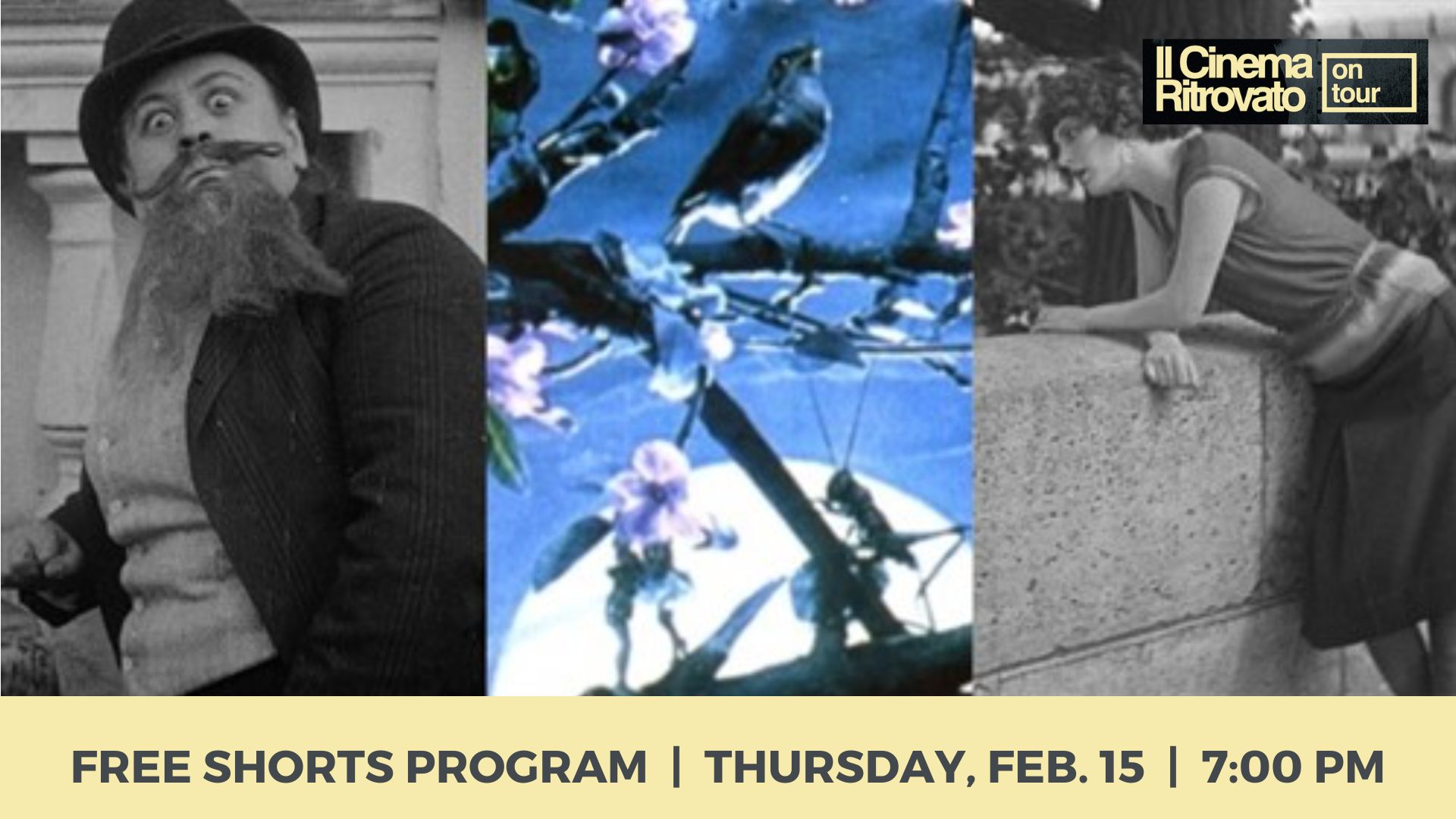
Opening Night Shorts Program
To celebrate Opening Night of Il Cinema Ritrovato on Tour 2024, we screened five short films: three of Germaine Dulac’s illustrated songs from the 1930s; Roméo Bosetti’s comedic romp, Patouillard Has a Jealous Wife; and Ladislas Starevich’s animated short The Voice of the Nightingale, which screened with live musical accompaniment by local organist, Molly Raben.

PAGE OF MADNESS (Japan, Dir. Teinosuke Kinugasa, 1926)
Acclaimed as a landmark of Japanese cinema, Page of Madness (Kurutta ichipeiji) tells the story of a guilt-ridden husband, who takes a job as a janitor in an asylum to be near his wife. Eschewing intertitles, the film conveys narrative through images alone, achieving a profoundly ambiguous approach which hovers on the edge of legibility. Introduction by Christine Marran

BUSHMAN (USA, Dir. David Schickele, 1971)
Depicted through memories and flashbacks, Bushman moves between two locations––the United States and Nigeria–– and maps Nigerian immigrant Gabriel’s identity in the present and the past. The film tackles reactionary and racist forces in the United States in the 1970s and demonstrates the varies experience of living in diaspora. Introduction by Brad Stiffler

LEILA AND THE WOLVES (Lebanon Dir. by Heiny Srour, 1984)
Leila and the Wolves (Layla wa zi’ab) centers women’s roles in the fight for Arab liberation. In the film, Leila travels through time, from the British Mandate of Palestine to the Israeli invasion of Lebanon in 1982, weaving together memory and myth. Leila and the Wolves is a piece of anti-colonial cinema and feminist historiography. The film was acclaimed by critics for its originality and use of archival footage. Introduction by Michelle Baroody

PETER (Germany, Dir. by Hermann Kosterlitz, 1934
When we meet Eva Wild, she and her grandfather have just been evicted from their humble flat. Together, they try to make ends meet in a world that has only contempt for the poor. But when a thief steals Eva’s last dress, it gives her an idea: to disguise herself as a boy and call herself Peter. A narrowly escapist comedy, Peter features the work of several Jewish artists banned from German screens. Introduction by Rick McCormick

BANDITS OF ORGOSOLO (Italy, Dir. by Vittorio De Seta, 1961)
Unjustly accused of a crime, a shepherd flees through an arid and silent landscape. Set on the mountains of Sardinia, Bandits of Orgosolo is Italian neorealism at its finest, demonstrating De Seta’s sense of rhythm and use of the camera. The film merges characters with their environment, commenting on the ways that state structures and governments can often sever people from each other and the land. Introduction by Cesare Casarino
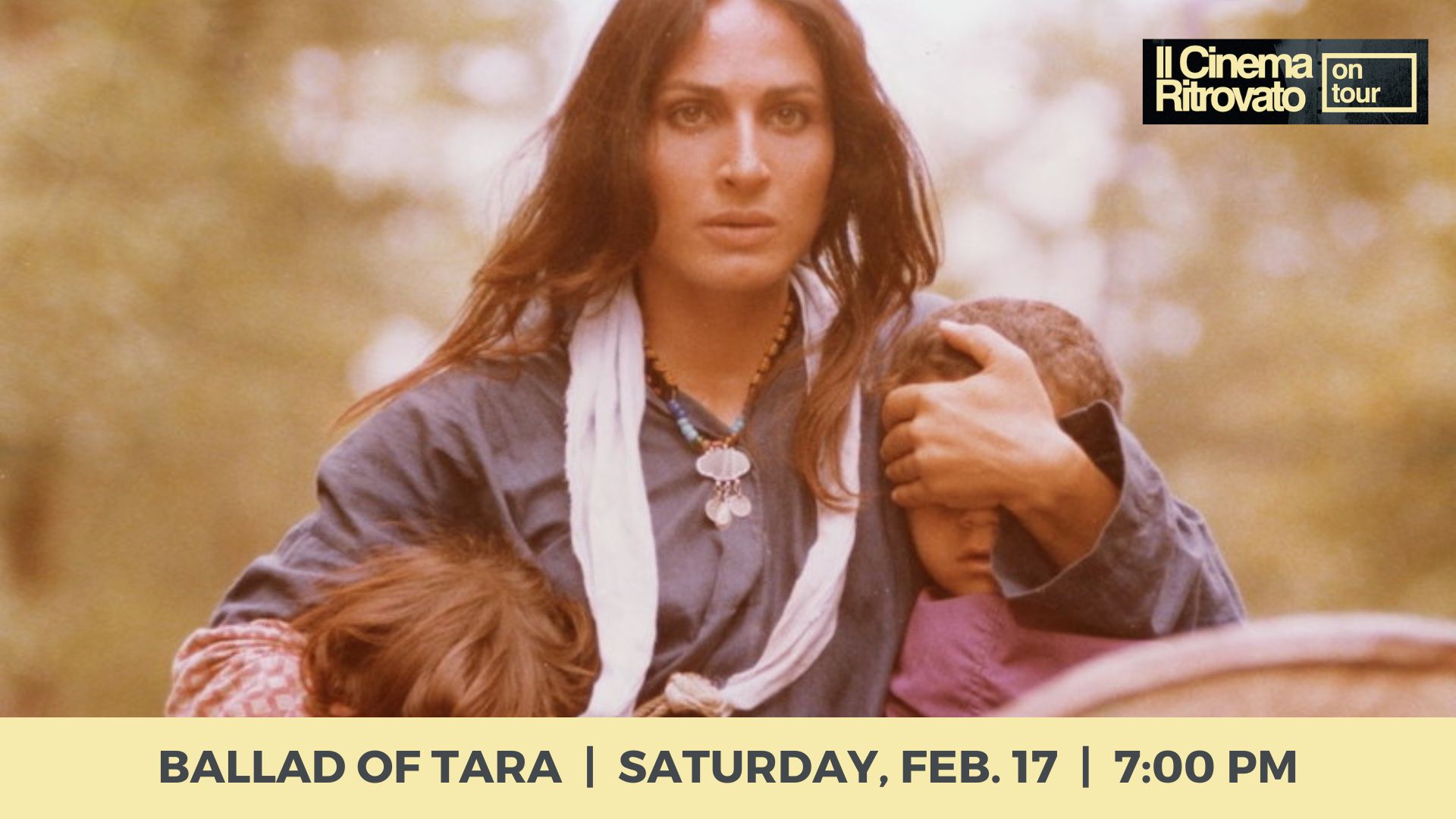
THE BALLAD OF TARA (Iran, Dir. Bahram Beyzaie, 1979)
Long unseen, Bahram Beyzaie’s seamless blend of myth, symbolism, folklore and classical Persian literature in Ballad of Tara (Cherike-ye Tara) is unparalleled in its complexity. Strong-willed widow Tara encounters the fleeting ghost of an ancient warrior in the forest near her village, and only she can help him rest eternally.

CEDDO (Senegal, Dir. Ousmane Sembène, )
Set in an unspecified time between the 17th and 19th centuries, the film centers “the Ceddo” – “the outsiders” or “the people of refusal” – who reject both Islam and the encroachment of Euro-American enslavement and colonialism. As an act of resistance, the Ceddo express their discontent and demand instant change. Introduction by Christian Uwe

LADY WINDERMERE’S FAN (USA, Dir. by Ernst Lubitsch, 1925)
Ernst Lubitsch’s unfaithful adaptation of Oscar Wilde’s 1892 stage play fuses maternal melodrama with lighthearted irony. Lubitsch parlays the wit of Wilde’s words into glorious visual textures. Live musical accompaniment for this screening was provided by local, seven-piece band, The Poor Nobodys. Introduction by Maggie Hennefeld
2024 Festival Partners and Sponsors
We couldn’t do this work without our generous sponsors and local collaborators!


 Archives on Screen, Twin Cities